Discover effective tourism marketing in Vietnam strategies for international travel businesses. Learn how to reach travelers, build local partnerships, strengthen your digital presence, and grow your business in Vietnam’s expanding tourism market.
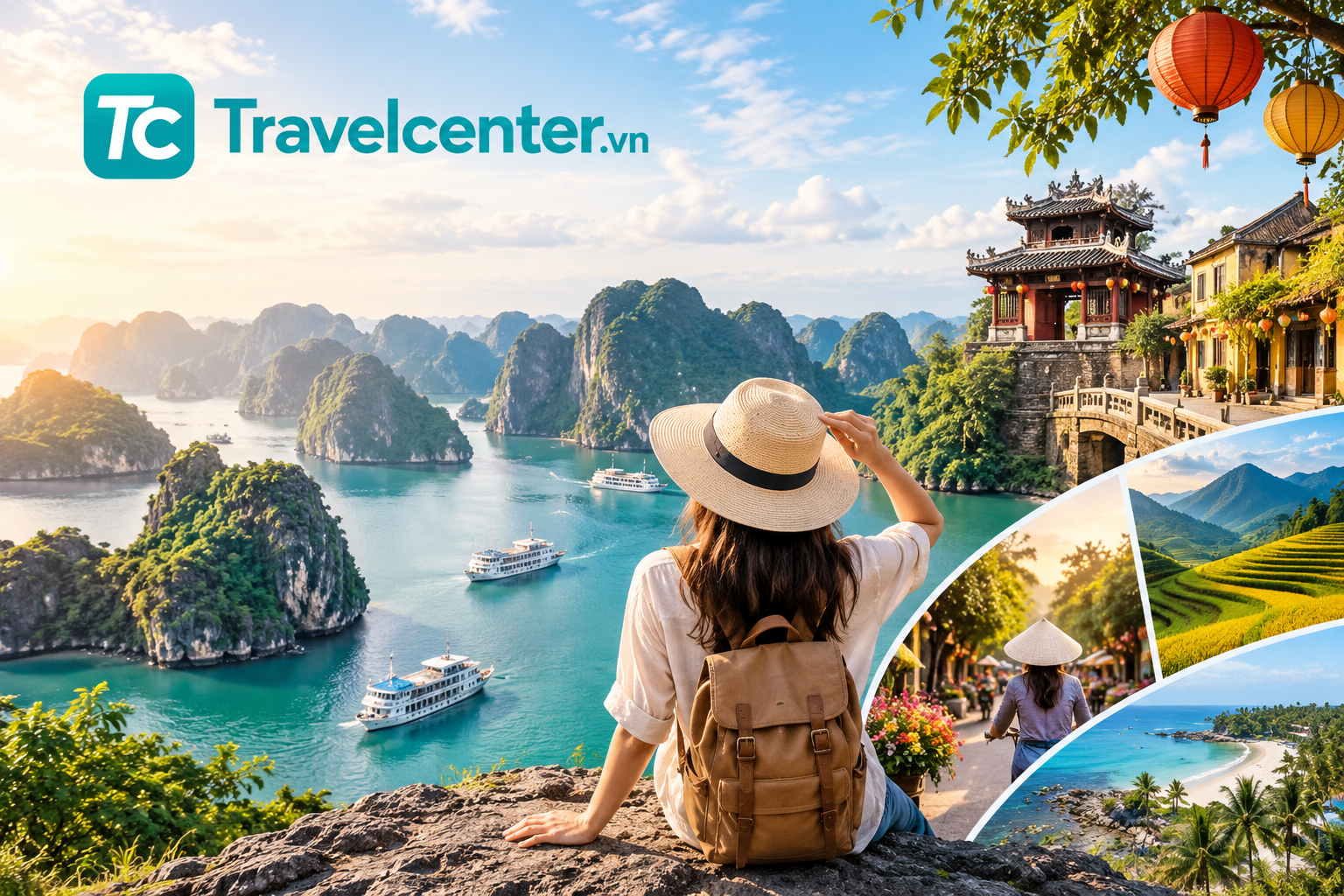
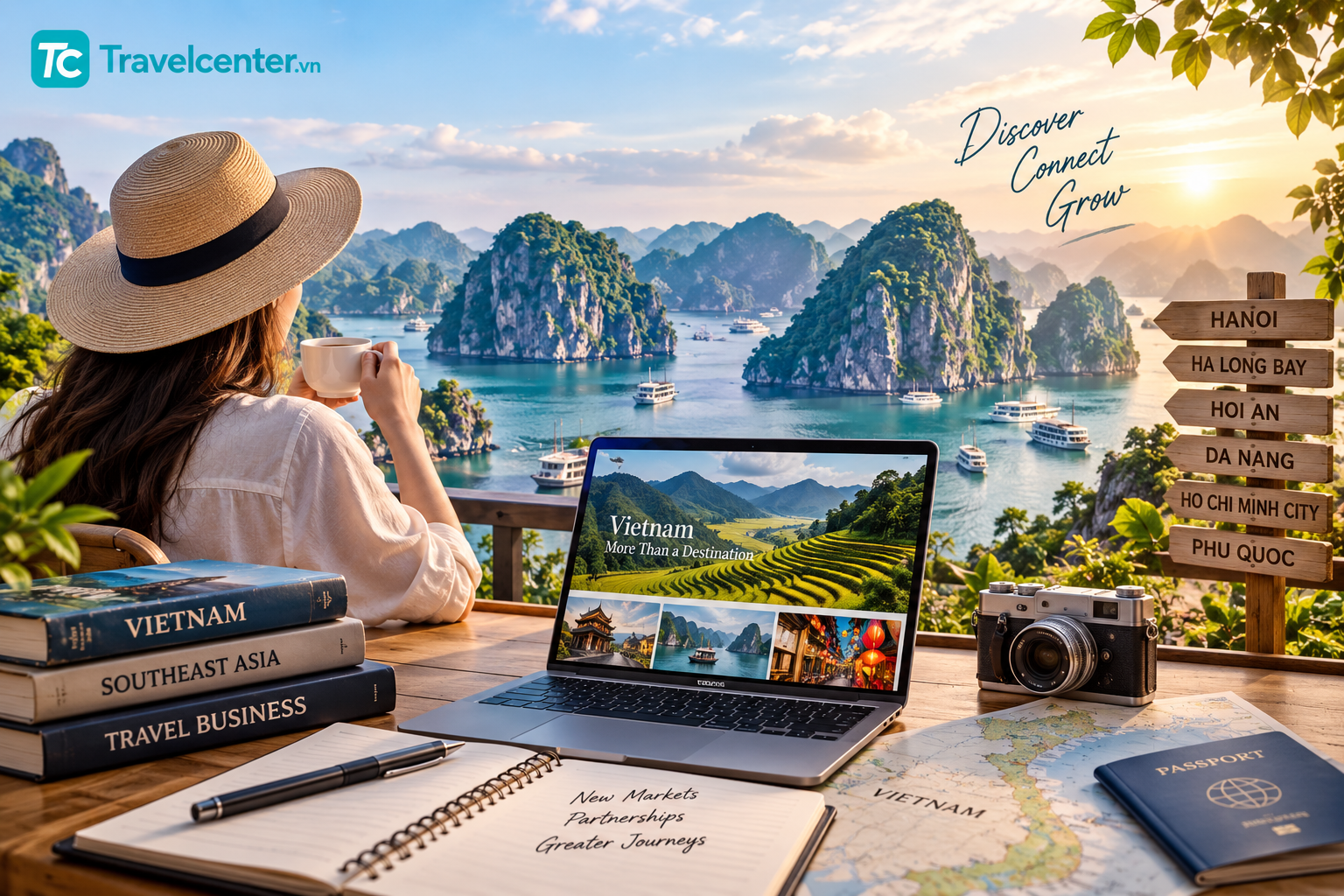
Vietnam has become an increasingly important destination for international tourism businesses looking to expand their presence in Southeast Asia. From Hanoi and Ha Long Bay in the north to Hoi An, Da Nang, Ho Chi Minh City and the Mekong Delta, the country offers a diverse portfolio of cultural, culinary, coastal, adventure and premium travel experiences.
For international tour operators, travel agencies, destination management companies and other tourism businesses, however, entering the market is only the first step. Building visibility, earning traveler trust and generating consistent bookings require an effective tourism marketing in Vietnam strategy.
Vietnam’s tourism authorities continue to promote the country internationally, including through official websites and social media, with emphasis on attractive destinations, premium tourism products, nature-based experiences and responsible tourism.
This creates significant opportunities for international businesses that understand how to combine global marketing expertise with local destination knowledge.
At Travel Center, we believe successful tourism marketing is not simply about attracting more website visitors. It is about connecting the right travel products with the right customers at the right stage of their journey.
Why Tourism Marketing in Vietnam Matters
Modern travelers rarely make travel decisions based on a single advertisement.
A potential visitor may discover Vietnam through social media, search for destinations on Google, watch videos about Vietnamese food, compare itineraries, check visa requirements, read reviews and contact several travel companies before making a reservation.
This creates a complex customer journey.
An effective Vietnam tourism marketing strategy therefore needs to maintain visibility throughout the travel planning process—from initial inspiration to final booking.
Vietnam is also investing in the digital development of its tourism ecosystem. The Vietnam National Authority of Tourism lists a range of digital initiatives and platforms supporting travelers, tourism businesses, destination information and industry management.
For international travel businesses, digital visibility is no longer optional. It is one of the foundations of market expansion.
Why Tourism Marketing in Vietnam Is Becoming More Competitive
As Vietnam attracts greater attention from international travelers, competition among travel agencies, tour operators, hotels and destination management companies is also increasing. This makes tourism marketing in Vietnam increasingly important for businesses that want to build visibility and generate qualified travel inquiries.
A successful Vietnam tourism marketing strategy should go beyond simply promoting destinations. International travel businesses need to understand how travelers search for information, compare Vietnam tour packages and evaluate local travel providers before making a booking decision.
By combining SEO, destination content, social media, localized campaigns and reliable local partnerships, businesses can create a stronger tourism marketing in Vietnam strategy that supports both customer acquisition and long-term brand development.
1. Understand Your International Target Audience
The first step in tourism marketing in Vietnam is identifying exactly who you want to reach.
Different international markets have different expectations.
European travelers may prioritize cultural immersion, longer itineraries and sustainable tourism experiences. Regional Asian travelers may prefer shorter holidays, convenient transportation and premium accommodation. Families may focus on safety and convenience, while younger travelers may prioritize unique experiences, food, nightlife and highly shareable destinations.
Instead of promoting the same Vietnam package to everyone, international travel businesses should segment audiences according to factors such as:
- Country or region
- Age and travel profile
- Travel budget
- Length of stay
- Preferred destinations
- Booking behavior
- Travel interests
- Preferred communication channels
Once these segments are established, businesses can create more relevant landing pages, advertising campaigns and travel packages.
The goal is simple: deliver the right Vietnam experience to the right traveler.
2. Build a Strong SEO Strategy for the Vietnam Travel Market
Search engine optimization should be one of the core components of tourism marketing in Vietnam.
International travelers frequently conduct extensive online research before booking.
They may search for terms such as:
“Best Vietnam tours”
“Vietnam itinerary 10 days”
“Vietnam private tours”
“Best time to visit Vietnam”
“Vietnam travel agency”
“Luxury Vietnam tours”
“Vietnam family holidays”
“Vietnam DMC”
Businesses that consistently appear during these searches have more opportunities to attract qualified customers.
A strong SEO strategy should combine commercial and informational content.
Commercial pages can target travelers who are already considering booking, while destination guides and travel articles can attract users earlier in the decision-making process.
For example, instead of publishing only a page about “Vietnam Tours,” a travel company could develop an interconnected content ecosystem covering Hanoi, Ha Long Bay, Ninh Binh, Hoi An, Da Nang, Ho Chi Minh City, Phu Quoc and the Mekong Delta.
This approach can strengthen topical authority while creating multiple opportunities to convert website visitors into inquiries.
3. Create Content That Inspires Travelers to Visit Vietnam
Tourism is an emotional purchase.
Travelers are not simply purchasing transportation and hotel rooms. They are purchasing experiences, memories and access to destinations they may have dreamed about visiting for years.
For this reason, effective travel marketing in Vietnam should focus on storytelling.
Instead of simply writing:
“Visit Hoi An for two days.”
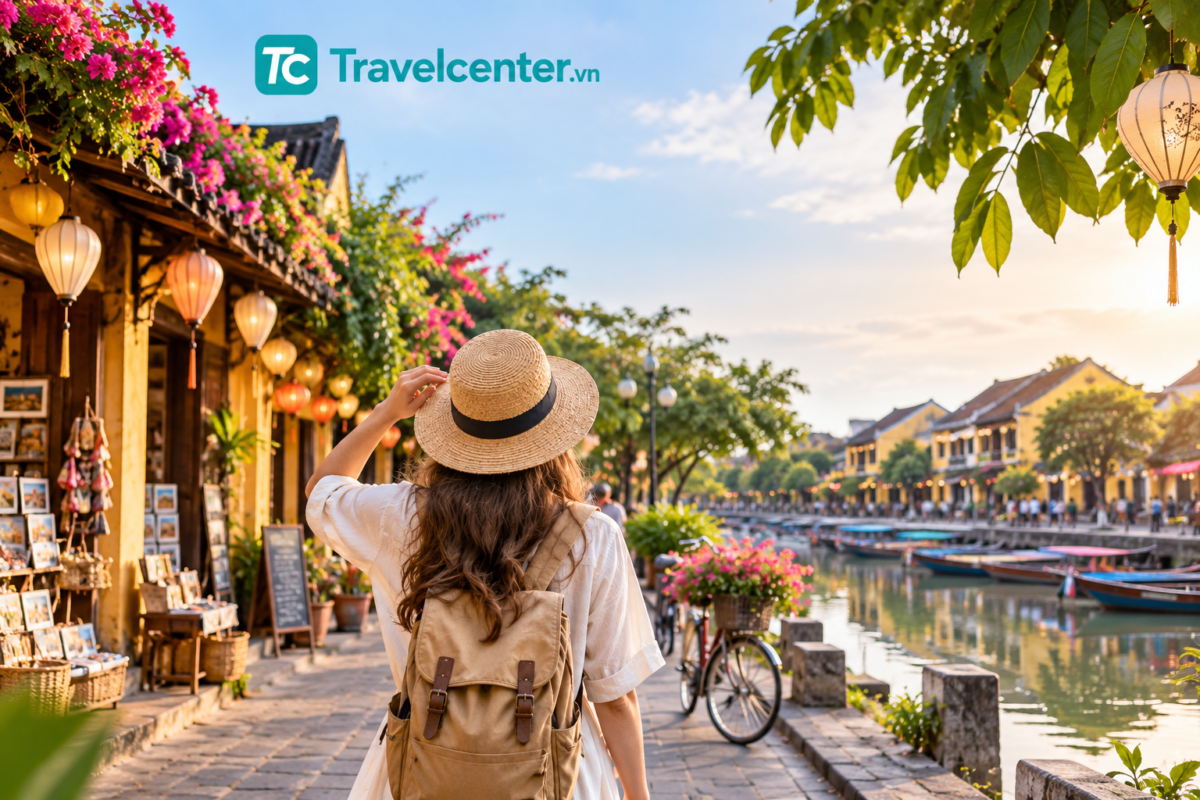
A stronger message would explain what the traveler can actually experience: walking through lantern-lit streets, discovering traditional architecture, tasting local specialties or exploring nearby villages.
Useful content formats include destination guides, suggested itineraries, travel tips, seasonal guides, food guides, cultural explainers, customer stories and practical planning resources.
High-quality content can attract organic traffic while simultaneously helping travelers imagine themselves experiencing Vietnam.
That emotional connection can significantly strengthen conversion potential.
4. Use Social Media to Build Destination Awareness
Social media plays an important role in modern tourism marketing in Vietnam because travel is inherently visual.
Vietnam provides an enormous amount of visual content: limestone landscapes, beaches, historic towns, mountain scenery, traditional markets, street food, luxury resorts and vibrant cities.
International travel businesses can use platforms such as Instagram, Facebook, TikTok and YouTube to transform these experiences into compelling destination stories.
Instead of continuously publishing promotional advertisements, businesses should balance promotional content with useful and inspirational material.
For example, short-form videos could feature:
“5 Experiences You Should Not Miss in Vietnam”
“48 Hours in Hanoi”
“What to Eat in Ho Chi Minh City”
“Ha Long Bay vs. Ninh Binh”
“Best Time to Visit Central Vietnam”
This type of content introduces travelers to destinations before directing them toward tour packages and booking pages.
5. Reduce Booking Friction With Practical Travel Information
One of the most effective conversion strategies is also one of the simplest: answer travelers’ questions before they have to ask.
Visa requirements are a good example.
Vietnam’s official Immigration Department states that Vietnam e-visas can be valid for up to 90 days with single or multiple entry, subject to applicable eligibility and entry requirements. Travelers should always verify current requirements through the official immigration portal before traveling.
International travel businesses can improve customer experience by providing clear links to authoritative information about visas, weather, transportation, currencies, destination seasons and other practical topics.
Useful external resource:
Official Vietnam E-Visa Portal – Vietnam Immigration Department
Providing reliable information does more than improve SEO. It reduces uncertainty.
And reducing uncertainty can make it easier for potential customers to move from research to booking.
6. Localize Your Marketing Instead of Simply Translating It
Translation and localization are not the same thing.
A successful tourism marketing in Vietnam campaign should adapt the message to different international markets rather than simply translating the same advertisement word for word.
Localization can include adjusting:
- Language and terminology
- Travel packages
- Trip duration
- Pricing presentation
- Cultural references
- Images and videos
- Calls to action
- Customer support channels
For example, customers from one market may prefer WhatsApp communication, while travelers from another may prefer email or website inquiry forms.
The more convenient the customer journey becomes, the easier it is to convert interest into bookings.
7. Work With a Reliable Local Tourism Partner
International businesses do not necessarily need to build every component of their Vietnam operation independently.
Working with an experienced local partner can simplify destination research, itinerary development, supplier coordination and traveler support.
Local knowledge is particularly valuable because tourism products involve many interconnected services: accommodation, transportation, guides, attractions, restaurants and destination logistics.
Vietnam’s official tourism database contains thousands of accommodation providers and more than a thousand tourism destinations, illustrating the scale of the local tourism ecosystem.
For international businesses, navigating this ecosystem efficiently can be challenging without local expertise.
This is where Travel Center can become a valuable bridge between international travel businesses and Vietnam’s tourism market.
8. Build High-Converting Landing Pages
Generating traffic is only useful when visitors know what to do next.
Every tourism campaign should direct users toward a landing page designed around a specific travel intention.
A strong landing page should clearly communicate the travel experience, itinerary, inclusions, accommodation options, important conditions and next steps.
Calls to action should also be easy to find.
Examples include:
Request a Vietnam Tour Proposal
Talk to Our Vietnam Travel Team
Build Your Custom Vietnam Itinerary
Partner With Travel Center
For B2B campaigns, businesses can create dedicated pages for international travel agencies, overseas tour operators, corporate travel planners and other potential partners.
This creates a more focused conversion journey than directing every visitor to the website homepage.
9. Use Data to Improve Tourism Marketing Performance
Effective tourism marketing in Vietnam should be measurable.
International travel businesses should monitor performance indicators such as organic website traffic, keyword rankings, landing-page conversion rates, inquiry volume, cost per lead, advertising return, email engagement and booking conversion rates.
The objective is not simply to generate more traffic.
A campaign receiving 50,000 visitors but generating very few inquiries may be less valuable than a campaign attracting 5,000 highly qualified travelers who are actively planning a Vietnam trip.
Businesses should continuously identify which markets, destinations, packages and marketing channels generate the strongest commercial results.
Those insights can then guide future investment.
10. Combine B2C Marketing With B2B Partnerships
One frequently overlooked strategy in Vietnam tourism marketing is B2B development.
International travel companies do not need to depend exclusively on direct consumer acquisition.
They can also develop relationships with local destination management companies, hotels, transportation providers, tourism organizations and other travel agencies.
These partnerships can help businesses create more competitive packages, expand destination coverage and improve operational reliability.
For overseas travel businesses looking to enter Vietnam, a strong local network can significantly shorten the learning curve.
Why Work With Travel Center?
Entering a new tourism market requires more than attractive advertisements.
International travel businesses need market understanding, destination knowledge, reliable local connections and tourism products that can genuinely meet customer expectations.
Travel Center helps international travel businesses connect with opportunities across Vietnam.
Whether you are an overseas travel agency looking to add Vietnam to your destination portfolio, a tour operator searching for local support, or a tourism company planning to expand in Southeast Asia, Travel Center can help you develop travel experiences suited to your target customers.
Instead of navigating the Vietnam travel market alone, businesses can work with local expertise to build more relevant products, improve customer experiences and develop sustainable partnerships.
Turn Vietnam Tourism Opportunities Into Business Growth
Vietnam offers international travel businesses a diverse tourism ecosystem with enormous potential.
However, opportunity alone does not guarantee results.
Successful tourism marketing in Vietnam requires a combination of SEO, content marketing, social media, localization, conversion optimization, data analysis and reliable local partnerships.
Businesses that understand international traveler behavior while adapting their strategies to the realities of the Vietnam travel market will be better positioned to build long-term visibility and customer relationships.
The most effective strategy is not simply to promote Vietnam.
It is to understand what international travelers want from Vietnam—and create an easier path from inspiration to experience.
Expand Your Travel Business in Vietnam With Travel Center
Looking for a trusted partner to help your business develop tourism products and opportunities in Vietnam?
Travel Center is ready to connect international travel businesses with local knowledge, destination expertise and opportunities across the Vietnamese tourism market.
Contact Travel Center today to discuss your Vietnam tourism strategy, develop customized travel products and explore partnership opportunities in one of Southeast Asia’s most diverse travel destinations.