Discover how international tourism businesses in Vietnam can promote travel products effectively, reach global travelers, build local partnerships and create successful Vietnam tourism marketing strategies.
Vietnam has become an increasingly attractive destination for international travelers seeking cultural experiences, diverse landscapes, distinctive cuisine, beaches, vibrant cities and authentic local adventures. For international travel agencies, tour operators and tourism companies, this growing interest creates significant opportunities to develop Vietnam-focused travel products and expand their presence in Southeast Asia.
However, simply adding Vietnam to a travel portfolio is not enough. Successful international tourism businesses in Vietnam need a clear marketing strategy, strong destination knowledge, relevant travel products and reliable local partnerships.
From digital content and search engine optimization to localized itineraries and cooperation with an experienced local tourism partner such as Travel Center, international companies can build a stronger position in the Vietnam travel market while offering travelers experiences that match their expectations.
This guide explores practical ways international tourism businesses can promote Vietnam tourism effectively and convert destination interest into real travel demand.
Why Vietnam Should Be Part of Your Tourism Marketing Strategy
Vietnam offers an unusually diverse combination of travel experiences within a single destination.
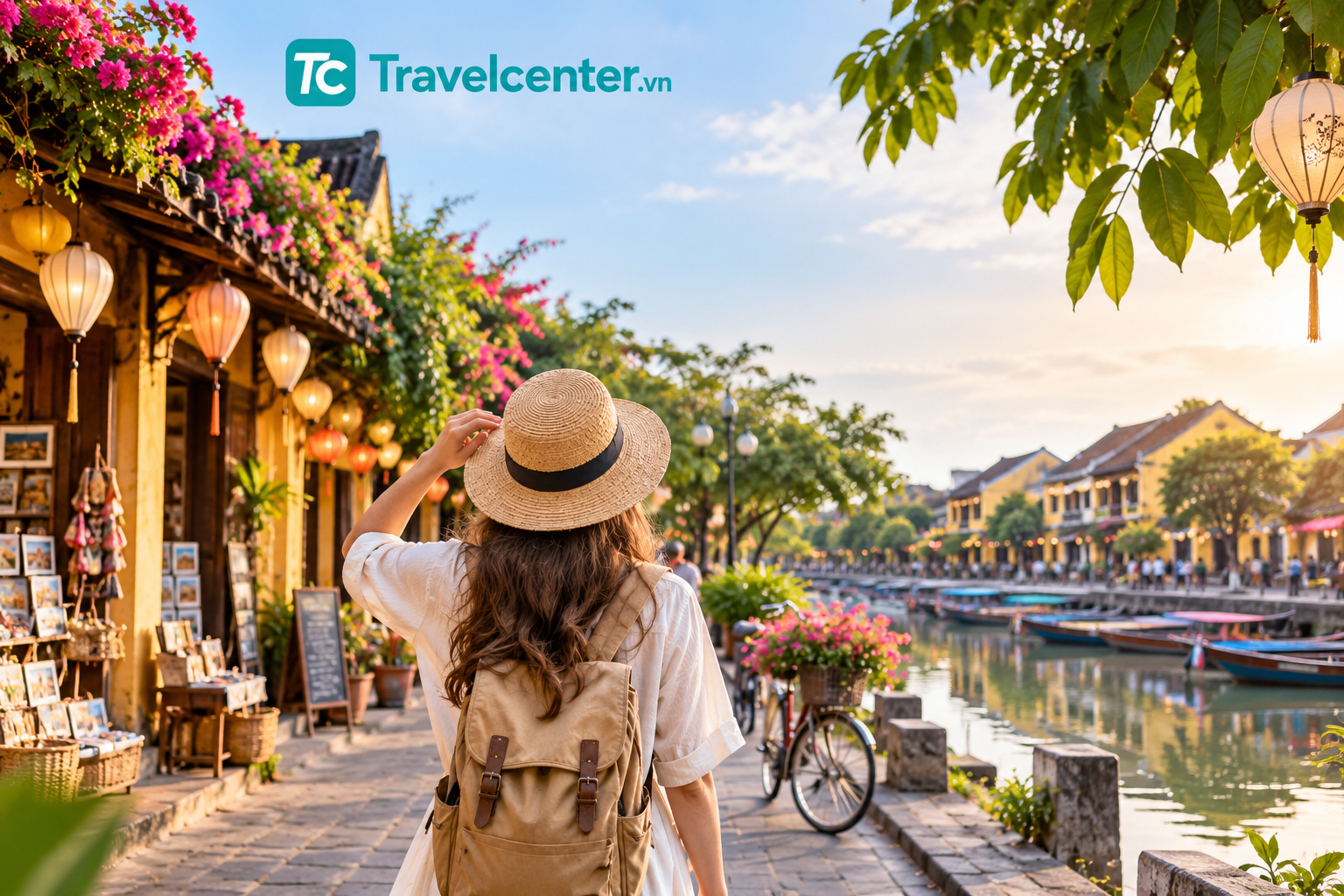
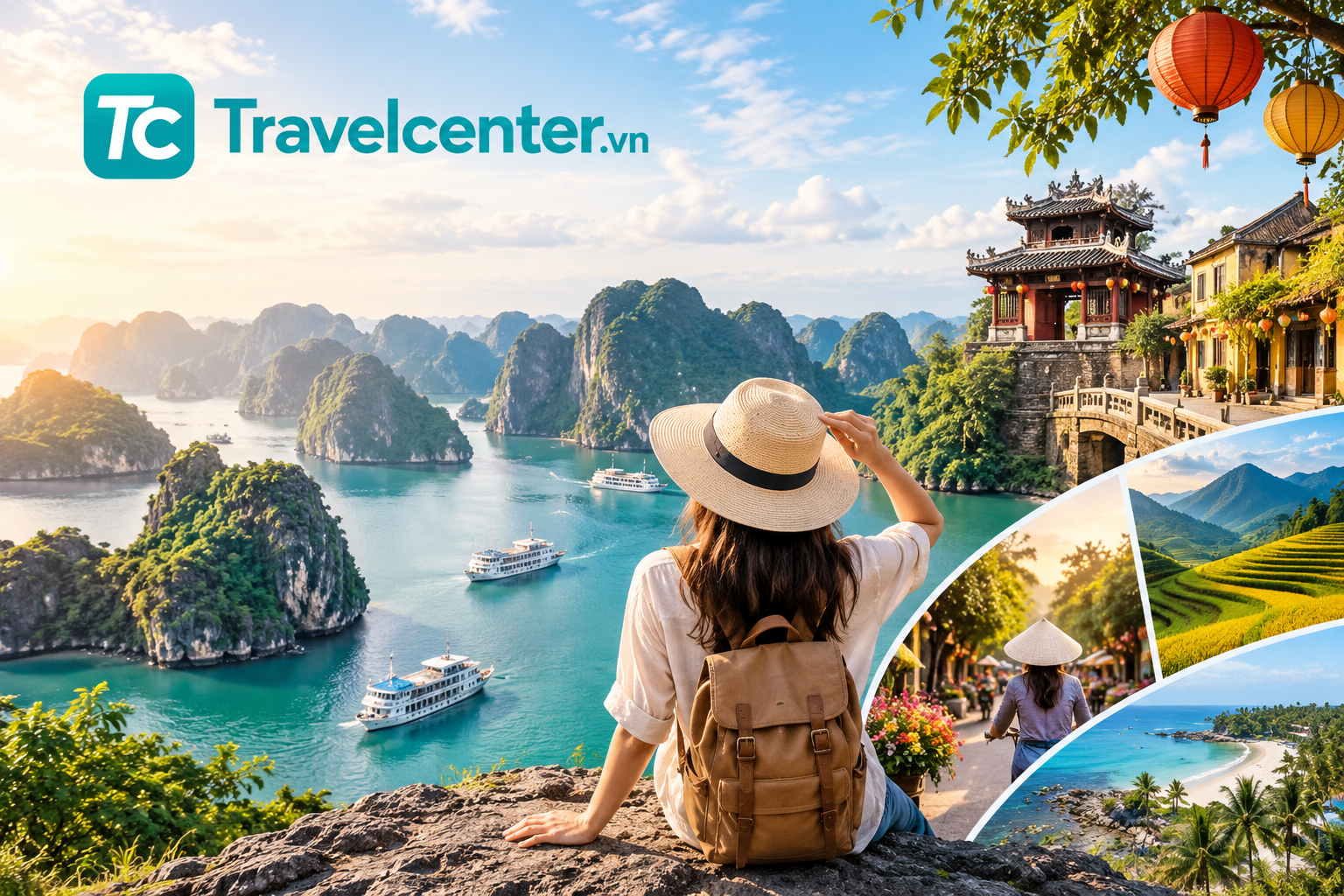
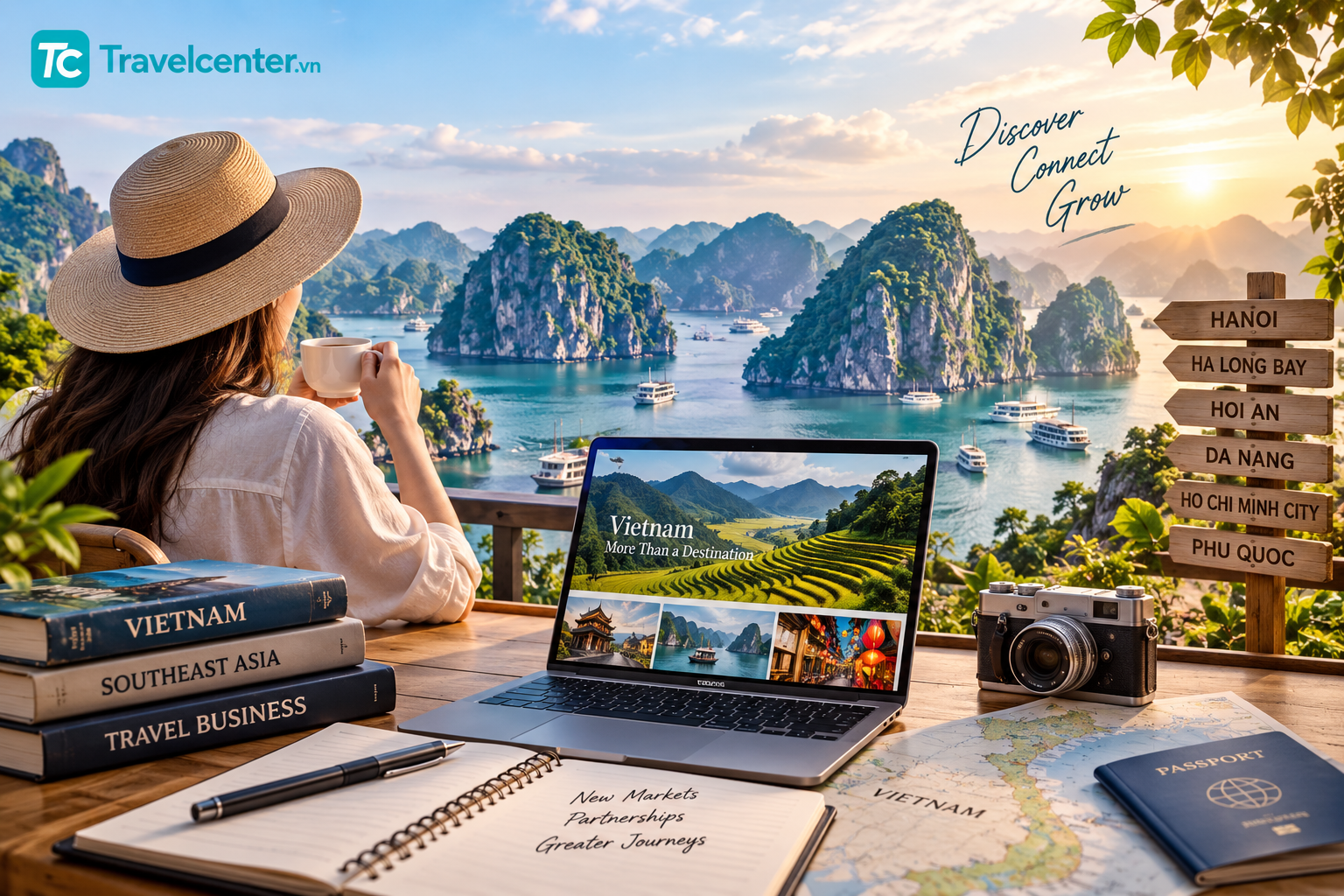
Travelers can explore the historic streets and cultural attractions of Hanoi, discover dramatic mountain scenery in Northern Vietnam, experience the heritage atmosphere of Hue and Hoi An, enjoy coastal destinations such as Da Nang and Nha Trang, explore the dynamic lifestyle of Ho Chi Minh City or relax on tropical islands such as Phu Quoc.
The official tourism website of the Viet Nam National Authority of Tourism highlights experiences ranging from culture and heritage to nature, adventure, food, beaches, wellness, family travel and luxury tourism. This diversity allows tourism companies to develop products for multiple traveler segments rather than relying on a single type of holiday.
For current destination inspiration and official travel information, businesses can consult the official Vietnam tourism website.
Vietnam’s current entry framework also supports international travel planning. Official tourism information states that Vietnam offers a 90-day e-visa for travelers of all nationalities, alongside visa-exemption arrangements for eligible markets. Businesses should always verify the latest requirements before advising customers.
For international tourism businesses in Vietnam, these factors create opportunities to develop everything from affordable group tours to customized luxury holidays and specialized travel experiences.

1. Understand Your Target International Travelers
Effective Vietnam tourism marketing begins with understanding exactly who you want to attract.
Different international markets have different expectations.
European travelers may be interested in longer cultural itineraries, heritage experiences, gastronomy and multi-destination journeys. Travelers from nearby Asian markets may prefer shorter holidays, city breaks, resorts, shopping and convenient packaged experiences. Luxury travelers may prioritize private transportation, premium hotels and personalized services.
Instead of marketing Vietnam with one generic message, businesses should segment audiences according to factors such as:
- Country or region of origin
- Age and traveler profile
- Travel budget
- Length of stay
- Preferred experiences
- Independent versus group travel
- Family, couple or solo travel
- Luxury versus value-focused travel
A clearly defined customer profile allows international tourism businesses in Vietnam to create better advertising campaigns, landing pages and tour packages.
2. Market Experiences, Not Just Destinations
One of the most important principles of modern Vietnam destination marketing is to sell the experience rather than simply listing locations.
Instead of promoting:
“5 Days in Central Vietnam”
a tourism business could position the same journey around a more emotional concept:
“Discover Vietnam’s Heritage, Cuisine and Coastal Lifestyle in 5 Days.”
The itinerary can still include Da Nang, Hoi An and Hue, but the second message communicates what travelers will actually experience.
Vietnam provides excellent opportunities for experience-driven travel products, including:
Cultural journeys: Hanoi, Hue, Hoi An, traditional villages and historical attractions.
Food tourism: street-food experiences, cooking classes, local markets and regional Vietnamese cuisine.
Nature and adventure: Ha Giang, Ninh Binh, national parks, caves, trekking and countryside experiences.
Beach holidays: Da Nang, Nha Trang, Phu Quoc, Con Dao and other coastal destinations.
Premium travel: private tours, luxury resorts, cruises and personalized itineraries.
Wellness travel: spa resorts, wellness retreats and nature-based relaxation.
Developing experience-led products helps international tourism businesses in Vietnam differentiate themselves from companies selling standardized packages.
3. Build a Strong Vietnam SEO Strategy
Search engines remain an important part of travel research.
Potential customers may search phrases such as:
“Vietnam tours from Europe”
“best Vietnam itinerary”
“Vietnam private tours”
“Vietnam luxury holidays”
“Vietnam family tours”
“Vietnam travel packages”
“Vietnam local tour operator”
Creating useful content around these search intentions can improve organic visibility and bring qualified visitors to your website.
An effective Vietnam travel marketing strategy should combine commercial landing pages with informative destination content.
For example, instead of publishing only a “Vietnam Tours” page, international tourism businesses can create supporting articles about the best time to visit Vietnam, visa information, regional itineraries, transportation, food, cultural etiquette and recommended destinations.
These articles can internally link to relevant Vietnam packages or inquiry pages.
This creates a natural customer journey:
Google Search → Useful Vietnam Guide → Relevant Tour → Inquiry → Booking
That structure turns SEO from a traffic-generation strategy into a conversion channel.
4. Use High-Quality Visual Storytelling
Tourism is highly visual.
Travelers often decide whether they are interested in a destination before reading detailed information about an itinerary.
Strong photography and video content can therefore play an important role when businesses promote Vietnam tourism internationally.
Instead of repeatedly using the same iconic images, marketers should show the diversity of Vietnam.
Content can feature the energy of Hanoi, heritage architecture in Hoi An, local cuisine, mountainous landscapes, tropical beaches, Mekong Delta experiences, luxury accommodation and authentic interactions with local communities.
Short-form video is particularly useful for social media campaigns because businesses can transform a single itinerary into multiple pieces of promotional content.
A 10-day Vietnam tour, for example, could generate separate content around food, hotels, cultural experiences, transportation, destinations and customer experiences.
5. Localize Marketing for Different International Markets
Translation alone is not localization.
Effective Vietnam tourism marketing should adapt the message, product structure and communication style to each target market.
A package promoted to travelers from Australia may require different positioning from one targeting customers in Korea, Europe or North America.
Businesses should consider:
- Preferred trip duration
- Seasonal travel patterns
- Flight connectivity
- Budget expectations
- Hotel preferences
- Food requirements
- Language support
- Payment preferences
- Family or group requirements
Localization can significantly improve the relevance of marketing campaigns because travelers see a Vietnam experience designed around their needs rather than a generic package offered globally.
6. Create Flexible and Customizable Vietnam Tour Products
Modern travelers increasingly expect flexibility.
Instead of offering only fixed packages, international tourism businesses in Vietnam can provide modular itineraries that allow customers to select destinations, accommodation categories, activities and trip lengths.
For example, a standard Vietnam itinerary could combine:
Hanoi → Ninh Binh → Central Vietnam → Ho Chi Minh City → Mekong Delta
Customers could then add extensions such as a mountain journey, beach holiday or additional cultural experience.
This approach allows international travel businesses to serve multiple customer segments while maintaining an efficient product structure.
It also creates valuable upselling opportunities.
7. Develop Reliable Local Tourism Partnerships
International marketing can generate demand, but delivering the promised travel experience requires strong local operations.
This is where Vietnam tourism partnerships become especially important.
International agencies may need support with transportation, accommodation coordination, tour guides, local experiences, destination management, itinerary development and customer assistance.
Working with a knowledgeable local tourism company can reduce operational complexity while helping international businesses maintain service quality.
For agencies that do not have their own operational infrastructure in Vietnam, cooperating with a local partner such as Travel Center can provide destination expertise and on-the-ground support.
Rather than building an entire Vietnam operation independently, international companies can focus on customer acquisition and market development while coordinating local travel services through an experienced partner.
8. Use Social Media to Create Destination Demand
Social media should not function only as a place to publish tour advertisements.
It can be used to create demand before customers actively start searching for a Vietnam holiday.
A successful social strategy can combine inspirational and practical content, including destination videos, local food experiences, itinerary ideas, seasonal recommendations, hotel highlights, customer stories and travel tips.
For example, instead of posting:
“Book our Vietnam tour today,”
a company could publish content such as:
“7 Experiences That Make Vietnam Worth Adding to Your Southeast Asia Trip.”
The second approach provides value first and introduces the commercial product naturally afterward.
This content strategy helps businesses build awareness while supporting the broader Vietnam travel marketing strategy.
9. Build Trust Before Asking Travelers to Book
International customers need confidence before booking a trip in another country.
Tourism websites should therefore make important information easy to find.
Clear itineraries, hotel categories, inclusions and exclusions, cancellation policies, transportation details and contact information can reduce uncertainty during the booking process.
Businesses can strengthen credibility further through authentic traveler reviews, detailed destination guides and transparent descriptions of what each package includes.
For international tourism businesses in Vietnam, trust is especially important when customers are purchasing customized or high-value travel packages.
10. Turn Website Visitors Into Qualified Leads
Traffic alone does not generate revenue.
Every important Vietnam tourism page should provide a clear next step.
Depending on the business model, calls to action could include:
Request a Vietnam itinerary
Get a customized quotation
Plan your Vietnam tour
Talk to a Vietnam travel specialist
Become a travel partner
For B2B audiences, a partnership-focused call to action can be particularly effective.
Instead of asking travel agencies to immediately purchase a product, invite them to discuss their market, customer profile and desired Vietnam portfolio.
Travel Center can then help develop suitable itineraries and local travel solutions.
11. Combine B2C Marketing With B2B Partnerships
One of the strongest opportunities in the Vietnam travel market is combining direct traveler marketing with international distribution partnerships.
A local tourism company understands destinations, suppliers and operational requirements. An overseas agency understands its customers, language and local sales channels.
When these strengths are combined, both parties can develop more relevant tourism products.
A partnership model may involve:
International Partner: Marketing → Customer Acquisition → Sales → Customer Communication
Travel Center: Destination Knowledge → Itinerary Development → Local Coordination → Travel Support
This allows international partners to expand their Vietnam offering without having to build every local capability from the beginning.
12. Measure and Optimize Vietnam Tourism Marketing
Effective tourism marketing should be continuously improved using data.
International tourism companies should monitor metrics such as:
- Organic website traffic
- Search rankings
- Landing-page conversion rate
- Cost per lead
- Advertising conversion rate
- Inquiry-to-booking ratio
- Average booking value
- Customer acquisition cost
- Repeat bookings
- Most requested destinations and itineraries
These insights help businesses understand which destinations, customer segments and campaigns generate the strongest commercial results.
For example, if a page about customized Vietnam itineraries receives strong organic traffic but few inquiries, the problem may not be demand. The page may need clearer pricing guidance, stronger trust signals or a more visible call to action.
Continuous optimization helps transform Vietnam tourism marketing from a promotional activity into a measurable growth strategy.
Why Work With Travel Center to Develop Your Vietnam Tourism Business?
Entering or expanding in the Vietnamese tourism market does not necessarily mean building a complete local operation from scratch.
Travel Center can act as a local tourism partner for international travel agencies, tour operators and businesses looking to develop Vietnam travel products.
Through local destination knowledge, itinerary planning and travel coordination, Travel Center can help international partners transform ideas into practical Vietnam experiences.
Whether your customers are looking for cultural journeys, premium holidays, family travel, adventure experiences, beach escapes or customized multi-destination itineraries, having local support can make product development more efficient.
For additional official information about Vietnam’s destinations, experiences and travel planning, businesses can also use the Viet Nam National Authority of Tourism’s official destination portal as a useful external resource.
Conclusion: Build a Stronger Vietnam Tourism Strategy
Vietnam provides international travel companies with opportunities across culture, food, nature, beaches, wellness, adventure and premium tourism.
However, succeeding in this market requires more than simply adding Vietnam to a destination list.
The most effective international tourism businesses in Vietnam combine market research, localized travel products, SEO, social media, visual storytelling, conversion-focused websites and reliable local partnerships.
Businesses that understand their customers and create authentic, relevant Vietnam experiences can build stronger destination portfolios and long-term opportunities in the market.
Looking for a Local Tourism Partner in Vietnam?
If your company is planning to enter the Vietnam travel market, expand its Vietnam portfolio or develop customized products for international travelers, Travel Center is ready to support your business.
From itinerary development and destination consultation to local travel coordination, we help international tourism businesses create Vietnam experiences designed around their customers and markets.
Partner with Travel Center and turn growing interest in Vietnam into travel products your customers are ready to book.